
When you hear the word protein, what comes to mind? Grilled chicken breasts…whey shakes… sizzling ribeyes? Whatever it is, most people have a pretty good idea of what qualifies as a protein.
Most people, however, also tend to grossly underestimate the importance of protein in the diet and how much they should be eating. So how much protein do you need, and how do you get more of it if you aren’t already meeting your goals? As with most things related to the body: the answer depends! There are a few basic guidelines we can follow, however, and general strategies that can be applied to a wide variety of dietary needs and preferences.
But first, why is protein important? Our bodies are made of proteins, from our muscles and bones to our skin and hair, even the hormones and enzymes that direct our essential functions. We need them for everything! The human body is an amazing system, capable of synthesizing proteins from available amino acids in order to use them where needed. Not all amino acids are created equal, however, and there are 9 that we cannot make and must take in through diet (known as the essential amino acids). If we eat too little (or poor quality) protein, our body won’t get enough of what it needs and our physical health will begin to suffer. Muscle atrophy, greater risk of bone fractures, cracking skin, brittle nails and hair, impaired reproductive function, decreased immunity…our bodies will quite literally start to fall apart without adequate protein intake. Yikes! And while all that is certainly reason enough to watch how much protein we eat, if we want to go beyond maintenance to build muscle or lose weight, we need more dietary protein.
Now that we understand just how important protein is, let’s revisit the question of how much we should be eating. Unless you have a medical condition that necessitates careful monitoring of your protein intake, my answer to that question is usually: the more the better! In the context of a healthy, whole foods-based diet, it is incredibly hard to overeat protein (ever try to eat an entire meatloaf or 3 dozen eggs in a sitting?), let alone to reach levels that could be harmful (check out this great PN article on the topic here). Sure, if you’re not a competitive bodybuilder you probably don’t need to be chugging protein shakes between every meal. At the same time, most people are underestimating their protein intake and could greatly benefit from an increase. A good “rule of thumb” is 0.7 – 1g of protein per pound of bodyweight. You can survive eating a lot less than this (the RDA minimum is .36g per pound), but surviving and thriving are two entirely different things!

If you’re not someone whose idea of paradise is surf and turf for every meal, you might be thinking “That’s great, but how am I actually supposed to eat all of that protein?!” While part of nutrition coaching is education, a large part of it is helping people implement healthy strategies that they can maintain long-term. So, here are a few ways you can increase and prioritize protein:
Plan Ahead – Stack your protein intake earlier in the day, so you’re not left trying to squeeze in 80 grams of protein after 5 pm. Busy days often leave us with decision fatigue and low motivation, so if we’re relying on dinner to get the bulk of our protein we can miss the mark more often than not. Breakfast and lunch are great opportunities to fit in filling, protein-rich foods.
Find Easy and Reliable Sources – Figure out what you like and where you can reliably find it. Make a trip to your grocery store of choice to get acquainted with the layout and offerings, or do the same with an online store (Thrive Market and Amazon are two great options). See what protein sources are available, both fresh and shelf-stable. Many stores will offer ready to eat options like rotisserie chicken, steamed shrimp, and boiled eggs so you don’t even have to meal plan or cook. Explore canned and frozen options so you always have a quick protein ready to go, and consider a regular shopping schedule or automatic deliveries so you can keep your pantry stocked. Canned fish, peanut butter, meat sticks, and pre-cut frozen meat are all good staples. Meal delivery services can be a good option for some, as well.
Eat the Protein First – I remember as a kid that anytime I would order a burger and fries, I’d eat the fries first and then, of course, not have enough room to finish the burger. At the time I felt pretty good about that choice (ha!), but I was missing out on the best part of the meal! Even if we’re eating grass-fed lettuce wrap burgers with a side of roasted broccoli and potatoes, if we start with the bulky veggies and pay attention to our hunger cues, we’re probably going to wind up leaving some protein on the table. Veggies, starches, and fats are great for rounding out a meal and helping fill our stomachs in the immediacy, but it’s the protein that is going to provide us with long-lasting satiation, not to mention all of the benefits discussed above. If increasing protein intake is a goal, then eat the protein on your plate first, and use the sides to finish off your hunger.
Snack on It – Anytime we eat is a good opportunity to add protein, not just at meals. Have some cheese with your crackers, jerky with your chips, or some nuts with your fruit. Adding these foods to your favorite snacks not only helps increase overall protein intake, but it can also lead to fewer carbohydrates and calories consumed. (Note: Carbohydrates are not inherently bad, but they are usually the culprit when we’re talking about eating “without brakes.” I’m looking at you, big bag of chips!) Or, make protein the focus of the snack with a hard boiled egg, meat stick, or pork rinds.
Drink It – There are so many different types of protein powders, both plant and animal based. The best part? They don’t need to be refrigerated and all you need to add is water! Keep some in your bag or desk for a quick protein source. Another drinkable source of protein is bone stock, and while not as portable, it does make for a fantastically satisfying hot beverage on a cold day!
Sneak It In – Look for ways to add more protein to foods you already eat. Protein powder, in addition to being drinkable, also blends fantastically well into a bowl of yogurt. Cook your rice in bone stock, or add another slice of meat to your sandwich. Add a boiled egg or two to your chicken salad (In our house we call this the “which came first?” salad). It’s easier to modify existing habits and routines than to start from scratch!
Substitute It – Consider ways you can take foods you already eat and replace them with a high-protein alternative. Want some chips? Try crunchy pork rinds or all-cheese crisps instead. Breading chicken? Those pork rinds also make a fantastic coating, as does almond meal. Having a wrap or sandwich? Try using an egg white “tortilla” instead of the bread (just don’t throw away that awesome yolk…use it to thicken a dressing or eat it another time). Get creative with your food, and don’t be afraid to experiment!
Don’t Worry About Perfection – You don’t need to count the grams of protein in your food or weigh every meal on a kitchen scale in order to successfully increase your protein intake. Simply estimating intake by using palm-sized portions as a visual aid will do the trick. Start by adding just one more serving of protein than you normally eat, and go from there. Pay attention to how your body looks and feels, since this is the most valuable feedback!
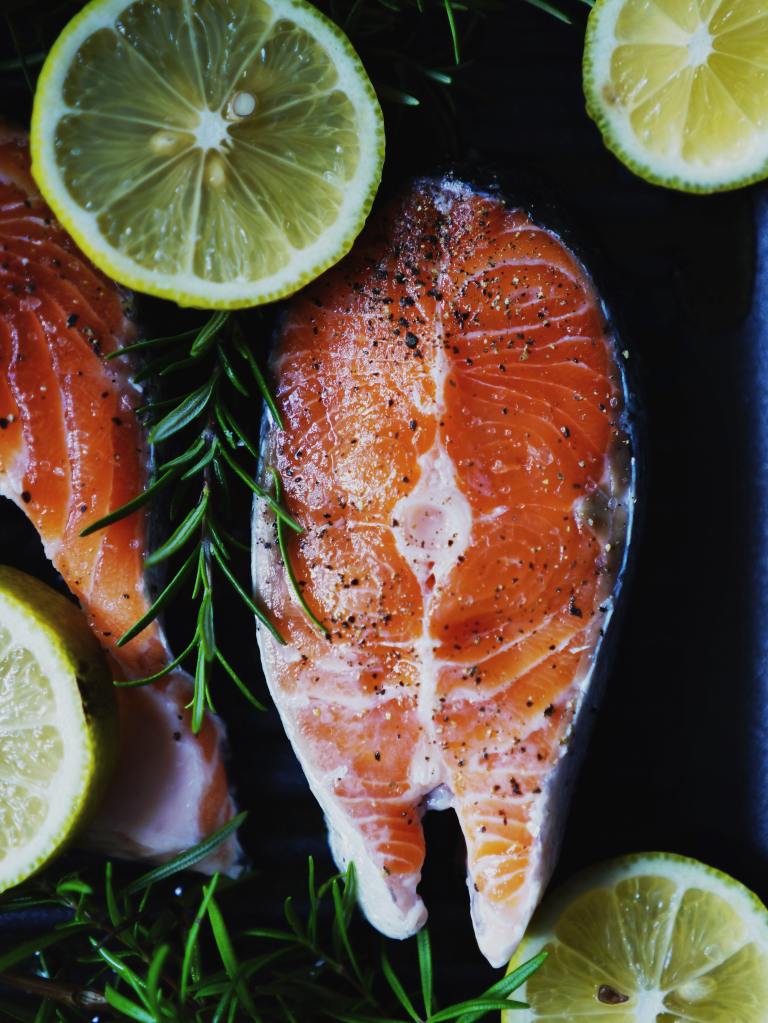
One last note about sourcing protein: while it is definitely possible to get enough protein from plant sources, I will always recommend animal sources first. Quality matters, and animal proteins are complete proteins (they’ve got all 9 essential amino acids!), whereas very few plant sources are. They are also easier to digest, which means our body can use them more efficiently. Relying solely on plant protein to get everything you need requires you to eat more and be more intentional about your choices. More protein is better than less, however, so if the choice is between adding some chickpeas or adding nothing, definitely go for the hummus.
Hopefully some of these strategies have resonated with you and help you reach your protein goals!
 ThinkWell Nutrition Coaching
Leave a comment