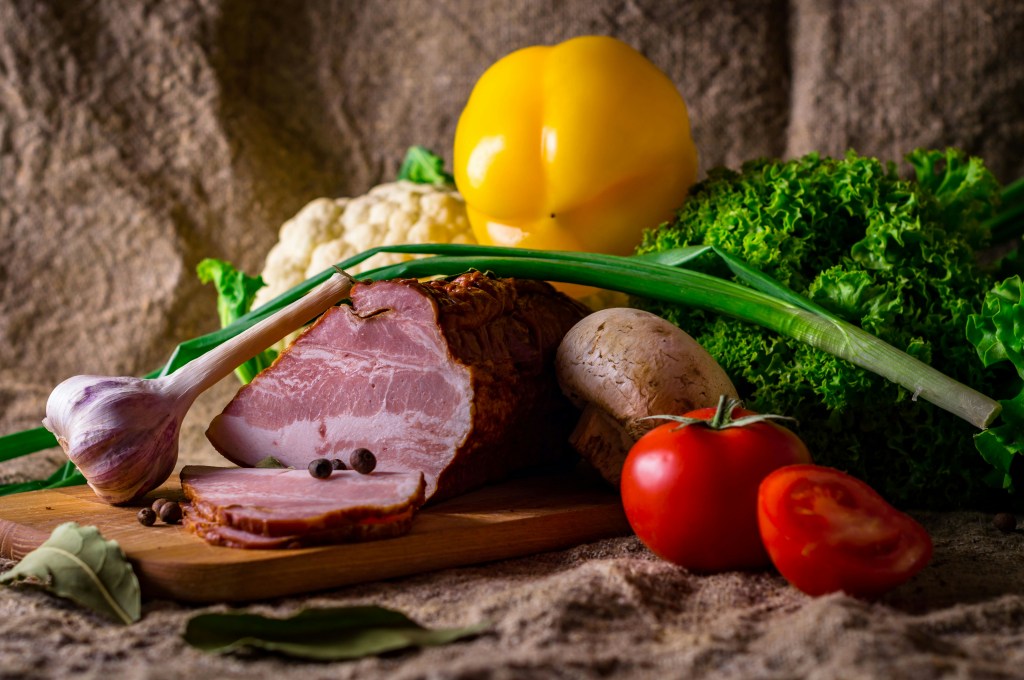
Inflammation, often dubbed the “silent killer,” is a significant contributor to many chronic diseases, including heart disease, diabetes, and Metabolic Syndrome. The sources of inflammation are varied, but diet plays a crucial role in both its initiation and management, regardless of cause. In this article we will learn why a diet rich in lean animal proteins (including red meat!), fresh fruits, and vegetables offers a potent strategy for reducing systemic inflammation and improving overall health, but first let’s talk about what exactly inflammation is!
Inflammation is simply the body’s natural defense mechanism in response to injury, infection, or harmful stimuli. It helps the immune system protect the body by sending white blood cells and other immune factors to the site of damage. We need inflammation, or our bodies would never receive the signal to heal! So, if inflammation is an important (and essential) part of normal body function, why does it get a bad rap? The answer here lies in the distinction between acute and chronic inflammation:
- Acute Inflammation: This is short-term inflammation, like the swelling or redness after an injury, clotting for a cut, and fever during a viral infection. It helps repair tissue and fight infections.
- Chronic Inflammation: This is long-term, low-grade inflammation that persists over time. This type of inflammation is harmful and can lead to various health issues.
While the symptoms of chronic inflammation can be subtle for some, others will quickly start to experience what is known as Metabolic Syndrome. This syndrome is characterized by a cluster of conditions, including increased blood pressure, high blood sugar, excess body fat around the waist, and abnormal cholesterol levels. Metabolic syndrome significantly raises the risk of heart disease, stroke, and type 2 diabetes.
Preventing and Reversing Metabolic Syndrome
The Standard American Diet is a recipe for chronic disease, and currently 1/5 of the population suffers from Metabolic Syndrome. The good news, however, is that just as easily as a poor diet promotes disease, a healthy diet high in nutrient-dense foods can help to address these conditions! In particular, by minimizing the intake of processed foods and focusing on whole foods, we can reduce the accumulation of visceral fat, the fat stored around internal organs. Visceral fat is particularly dangerous because it produces pro-inflammatory cytokines that can lead to chronic inflammation, obesity, and insulin resistance.

When it comes to preventing or reducing chronic inflammation, the foods we eat matter! While it can be tempting to look for anti-inflammatory supplements as a “quick fix,” if we don’t address the foundation of our diet, we most likely won’t see a noticeable improvement. This is like throwing water on a fire while simultaneously stoking it with lighter fluid!
By adopting a diet rich in lean animal proteins, fresh fruits and vegetables, and whole root vegetables, individuals can significantly reduce visceral fat and, consequently, systemic inflammation. This dietary pattern not only provides essential nutrients but also fosters a healthy weight and metabolic profile, all of which contribute to lower levels of inflammation and a reduced risk of chronic diseases.
The Power of Fresh Fruits and Vegetables
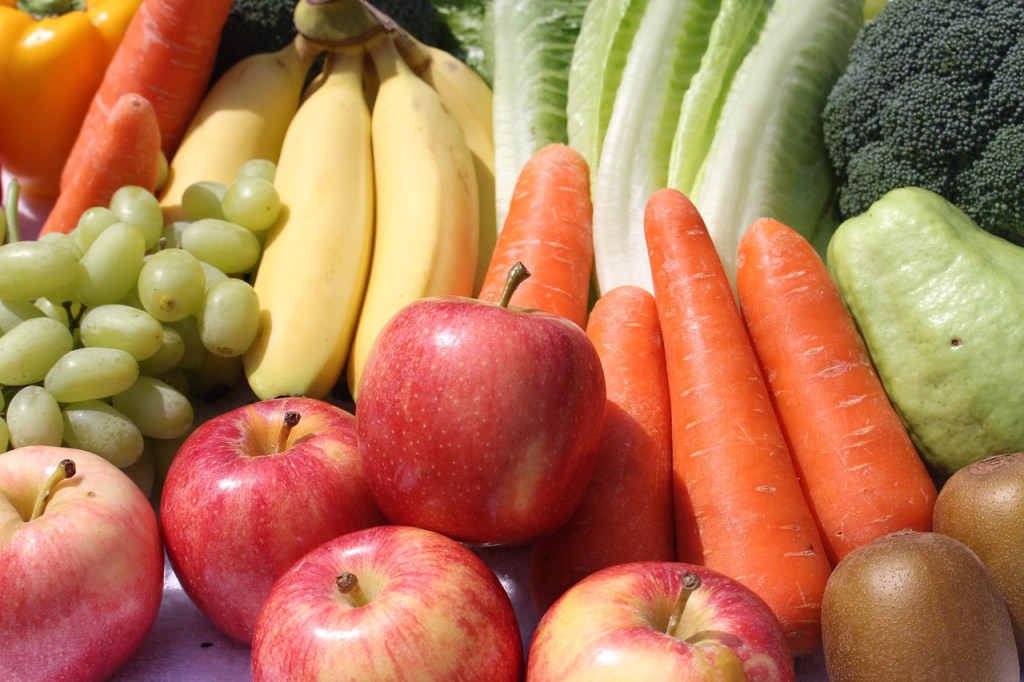
Fresh fruits and non-starchy vegetables are nutritional powerhouses, packed with vitamins, minerals, and antioxidants – all essential components for combating oxidative stress, a significant driver of inflammation. The fiber in fruits and vegetables aids in the removal of toxins from the body, and promotes a healthy gut microbiome, which plays a pivotal role in modulating the body’s inflammatory response. Additionally, the high water and fiber content of these foods contributes to a feeling of fullness, reducing the temptation to snack on calorie-dense, nutrient-poor foods that can lead to an accumulation of excess body fat.
Starchy root vegetables, such as sweet potatoes, carrots, and beets, are also rich in fiber and antioxidant compounds, as well as complex carbohydrates. Unlike refined grains and sugars, these whole and unprocessed foods have a low glycemic index, meaning they release glucose slowly into the bloodstream, preventing spikes in blood sugar and insulin levels. Stable blood sugar levels are crucial for managing hunger and preventing insulin resistance over time.
The Anti-Inflammatory Role of Lean Animal Proteins
While the role of fruits and vegetables in protecting against inflammation probably doesn’t come as a surprise, the role of lean protein may! Lean animal proteins, such as chicken, turkey, fish, and lean red meats like beef and pork, are excellent sources of all essential amino acids necessary for muscle repair and immune function. Higher muscle mass increases your metabolic rate, which can help reduce visceral fat, and proper immune function is necessary to combat inflammation before it becomes chronic. Lean proteins also contain antioxidants, though to a lesser extent than produce (like the selenium in tuna!). Furthermore, these proteins are satiating, helping to control hunger and reduce the likelihood of overeating. By preventing overconsumption of calories, a diet centered on lean proteins aids in weight management, a critical factor in reducing visceral fat.
Lean red meat, in particular, can be a perfectly healthy way to get adequate protein along with essential vitamins and minerals such as iron, zinc, and B vitamins. Moderate consumption of unprocessed, lean red meat does not increase inflammation and can be part of a balanced, anti-inflammatory diet.
A diet based on lean animal proteins, fresh fruits and vegetables is a powerful tool in the fight against inflammation. By focusing on filling, nutrient-dense foods, this dietary approach helps prevent overeating, manages visceral fat, and provides ample antioxidant compounds. This strategy not only improves overall health but also provides a sustainable way to prevent and reverse inflammation!
 ThinkWell Nutrition Coaching
Leave a comment